Carpal Tunnel Syndrome
Non-surgical carpal tunnel treatment that evaluates both the wrist and cervical spine for complete relief.
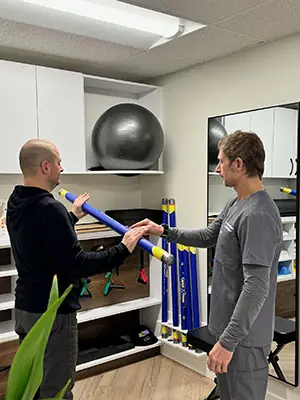
Carpal tunnel syndrome is one of the most commonly diagnosed hand and wrist conditions, but it is also one of the most frequently misdiagnosed. Numbness, tingling, and weakness in the hand can come from the wrist — but they can also come from the cervical spine. At Lakeside Spine and Wellness in Renton, we evaluate the full nerve pathway to ensure you get an accurate diagnosis and effective treatment.
Understanding Carpal Tunnel Syndrome
The carpal tunnel is a narrow passageway in the wrist formed by bones and ligaments. The median nerve and several tendons pass through this tunnel on their way to the hand. When the tunnel narrows — due to inflammation, repetitive strain, fluid retention, or anatomical factors — the median nerve gets compressed. This produces the hallmark symptoms of carpal tunnel syndrome: numbness and tingling in the thumb, index, middle, and ring fingers, pain in the wrist and hand, weakness in grip strength, and a tendency to drop objects.
These symptoms are often worse at night, during activities that involve gripping or flexing the wrist, and after prolonged computer or manual work.
The Double Crush Phenomenon
What many patients and even some providers do not realize is that nerve compression can occur at multiple points along the same nerve pathway. The median nerve originates from nerve roots in the lower cervical spine (C5-T1). If these nerve roots are already irritated by cervical misalignment, disc problems, or foraminal narrowing, the nerve becomes more vulnerable to compression at the wrist. This is called double crush syndrome.
In many cases, patients who have surgery for carpal tunnel find that their symptoms persist or return because the cervical component was never addressed. This is why a comprehensive evaluation that includes the cervical spine is so important.
Our Testing-First Approach
At Lakeside Spine and Wellness, we test the full nerve pathway. Your evaluation includes specific orthopedic tests for carpal tunnel syndrome, cervical spine examination, neurological screening to map nerve function from the neck through the hand, postural analysis, and imaging when indicated. We need to determine whether your symptoms are coming from the wrist, the cervical spine, or both.
This distinction is critical for effective treatment. If cervical nerve compression is contributing to your symptoms, treating only the wrist will not resolve the problem.
Comprehensive Corrective Care
Dr. Andrew Winger develops a corrective care plan based on the full picture of your nerve involvement. If cervical misalignment or disc problems are contributing to your symptoms, chiropractic adjustments and Chiropractic Biophysics (CBP) protocols work to restore proper cervical alignment and reduce nerve root irritation. For wrist-level compression, extremity adjustments improve the mechanics of the carpal bones and create more space within the tunnel.
Nerve mobilization techniques help restore normal nerve gliding along the entire pathway from the cervical spine to the hand. This comprehensive approach addresses compression at every level, not just one.
Rehabilitation and Ergonomic Support
We prescribe specific exercises to improve wrist flexibility, strengthen the hand and forearm, and stabilize the cervical spine. We also provide guidance on ergonomic modifications for your workspace, sleeping positions that reduce nerve compression, and activity modifications that minimize strain during recovery.
Who Should Seek Evaluation?
If you experience numbness, tingling, or weakness in your hand — whether or not you have been diagnosed with carpal tunnel syndrome — a comprehensive evaluation is worthwhile. This is especially true if your symptoms have not responded to wrist splints, cortisone injections, or even surgery, or if you also experience neck pain, shoulder tension, or upper back discomfort.
Before considering surgery, make sure you have the full picture.
Call (425) 276-8044 or Request Appointment.
Ready to Get Started?
Contact us today and take the first step. Free consultations available.