Neuropathy
Address the spinal and structural factors contributing to neuropathy symptoms with corrective chiropractic care.
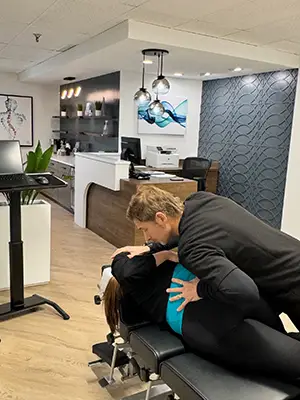
Neuropathy — the numbness, tingling, burning, and weakness that typically affects the hands and feet — can significantly diminish your quality of life. Many patients are told to manage it with medication or simply live with it. At Lakeside Spine and Wellness in Renton, we take a different approach by evaluating the spinal and structural factors that often contribute to neuropathy and working to correct them.
Understanding Neuropathy
Peripheral neuropathy affects the nerves outside the brain and spinal cord. The peripheral nerves carry signals between the central nervous system and the rest of your body. When these nerves are damaged or dysfunctional, the signals are disrupted — leading to numbness, tingling, burning pain, sharp sensations, and muscle weakness, most commonly in the hands and feet.
Neuropathy has many potential causes, including diabetes, chemotherapy, autoimmune conditions, vitamin deficiencies, infections, and toxic exposures. However, one of the most common and most overlooked causes is mechanical compression of the nerves — either at the spinal level or along their pathway through the body.
The Spinal Component
Every peripheral nerve originates from the spinal cord and exits through the spine before traveling to the extremities. If a nerve is compressed or irritated at the spinal level — by a misaligned vertebra, a herniated disc, foraminal narrowing, or stenosis — its function is compromised from the source. This can produce neuropathy-like symptoms in the hands or feet even when the peripheral nerve itself is intact.
Additionally, spinal nerve compression can make peripheral nerves more vulnerable to damage from other causes. A nerve that is already compromised at the spinal level has less resilience and less capacity to function normally, making it more susceptible to the effects of diabetes, inflammation, or other systemic conditions.
Our Testing-First Approach
At Lakeside Spine and Wellness, we conduct a thorough evaluation before determining a course of care. This includes a detailed health history to understand all potential contributing factors, comprehensive neurological testing to map the extent and pattern of nerve involvement, spinal examination to identify areas of misalignment, disc problems, or foraminal narrowing, postural analysis, and imaging when indicated.
We are looking for the spinal and structural factors that may be contributing to your symptoms. Not every case of neuropathy has a spinal component, but many do — and those are the cases where structural correction can make a significant difference.
Corrective Care for Neuropathy
Dr. Andrew Winger develops a corrective plan based on your specific findings. If spinal misalignment or nerve compression is contributing to your neuropathy, chiropractic adjustments restore proper alignment and improve nerve function at the source. Spinal decompression therapy may be used to reduce disc-related pressure on nerve roots.
Chiropractic Biophysics (CBP) protocols address broader structural problems that affect nerve function throughout the spine. By restoring proper spinal curves and improving overall alignment, we create the best possible environment for nerve health and recovery.
Supporting Nerve Health
We complement structural correction with rehabilitation exercises that improve spinal stability, promote circulation, and support nerve healing. We may also discuss nutritional factors that support nerve health, as deficiencies in B vitamins, vitamin D, and other nutrients can contribute to neuropathy symptoms.
Realistic Expectations
We believe in honesty about what corrective care can and cannot do for neuropathy. If your symptoms have a significant spinal component, structural correction can often produce meaningful improvement. If your neuropathy is primarily driven by systemic factors like diabetes, our care can still be beneficial as part of a comprehensive management approach — but it may not resolve the condition entirely. We will be transparent with you about what our testing reveals and what outcomes are realistic for your situation.
Who Should Seek Evaluation?
If you experience numbness, tingling, burning, or weakness in your hands or feet — especially if you also have neck pain, back pain, or a history of spinal problems — a structural evaluation is worthwhile. Even if you have already been diagnosed with neuropathy from another cause, improving your spinal health can support better nerve function and may reduce the severity of your symptoms.
Get a complete picture of what is affecting your nerve health.
Call (425) 276-8044 or Request Appointment.
Ready to Get Started?
Contact us today and take the first step. Free consultations available.