Dizziness
Investigate the cervical and structural causes of chronic dizziness with corrective chiropractic care.
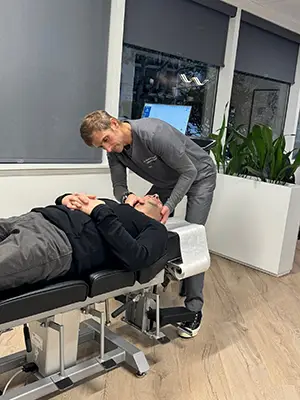
Chronic dizziness is one of the most frustrating symptoms to live with. It affects your confidence, your ability to drive, your performance at work, and your willingness to engage in activities you enjoy. Many people with chronic dizziness cycle through doctors and specialists without getting a clear answer. At Lakeside Spine and Wellness in Renton, we investigate an often-overlooked cause — cervical spine dysfunction — and work to correct it.
Dizziness vs. Vertigo
While people often use the terms interchangeably, dizziness and vertigo are different. Vertigo is a specific sensation of spinning or rotational movement. Dizziness is a broader category that includes lightheadedness, feeling faint, unsteadiness, and a general sense of being off-balance or disoriented. Many patients experience a combination of these sensations that fluctuates from day to day.
Understanding the nature of your dizziness is the first step in determining its cause.
The Cervical Spine and Balance
Your sense of balance depends on three systems working in harmony: the vestibular system in your inner ears, your visual system, and the proprioceptive system in your cervical spine. The proprioceptors in your upper neck are particularly important — they provide constant feedback to your brain about the position and movement of your head.
When the cervical vertebrae are misaligned, these proprioceptors send inaccurate information. Your brain receives conflicting signals from the neck, eyes, and inner ears, and the result is dizziness. This cervicogenic dizziness is especially common in people with a history of neck injury, chronic neck tension, or poor cervical alignment.
Additionally, the vertebral arteries travel through the cervical vertebrae before entering the brainstem. Cervical misalignment can affect blood flow through these arteries, reducing the supply of oxygen and nutrients to the brain areas responsible for balance and spatial awareness.
Why Conventional Approaches Often Fall Short
Many patients with chronic dizziness undergo extensive testing — blood work, cardiac evaluation, inner ear testing, MRI of the brain — only to be told that everything is normal. That is because most conventional evaluations do not include a structural assessment of the cervical spine. If the cervical component is never evaluated, it is never treated, and the dizziness persists.
Medications prescribed for dizziness — antihistamines, benzodiazepines, anti-nausea drugs — can temporarily suppress symptoms but do nothing to address the cause. They also carry significant side effects, including drowsiness and cognitive impairment, which can actually increase fall risk.
Our Testing-First Approach
At Lakeside Spine and Wellness, we begin with a comprehensive evaluation that specifically includes the cervical spine. We take a detailed history of your dizziness — onset, triggers, duration, associated symptoms, and prior workups. We perform cervical range-of-motion testing, orthopedic examination, neurological assessment, specific balance and proprioceptive testing, and imaging when warranted.
We are looking for cervical misalignments, loss of the normal cervical curve, joint restrictions, and any other structural factors that may be disrupting the proprioceptive and vascular pathways involved in balance.
Corrective Care for Dizziness
Dr. Andrew Winger uses precise cervical adjustments to restore proper alignment and improve proprioceptive accuracy. These adjustments target the specific vertebrae that are contributing to the imbalance. Chiropractic Biophysics (CBP) protocols address broader structural issues like loss of cervical lordosis that affect the neck’s proprioceptive function.
As alignment improves and proprioceptive signals normalize, the conflicting input that produces dizziness is resolved. Many patients notice improvement in their symptoms within the first few weeks of care, with continued progress as structural correction advances.
Balance Rehabilitation
We complement structural correction with exercises designed to retrain the balance system, strengthen cervical stabilizers, and improve proprioceptive function. These exercises are particularly valuable for patients who have been dizzy for an extended period, as the brain’s balance processing may need retraining.
Take the Next Step
If you have been dealing with chronic dizziness and have not had your cervical spine properly evaluated, this could be the missing piece. A structural assessment may reveal the cause that other evaluations have missed.
Call (425) 276-8044 or Request Appointment.
Ready to Get Started?
Contact us today and take the first step. Free consultations available.