Herniated Discs
Non-surgical treatment for herniated discs using structural correction, decompression, and targeted rehabilitation.
A herniated disc diagnosis can feel overwhelming, especially when surgery is presented as the only option. The good news is that many herniated discs respond well to conservative, non-surgical care — particularly when that care addresses the structural problems that contributed to the herniation in the first place. At Lakeside Spine and Wellness in Renton, we specialize in exactly this kind of corrective approach.
How Discs Herniate
Your spinal discs act as cushions between the vertebrae. Each disc has a tough, fibrous outer ring called the annulus fibrosus and a soft, gel-like center called the nucleus pulposus. A herniation occurs when the nucleus pushes through a weakness or tear in the annulus. This can happen suddenly — from a heavy lift or traumatic injury — or gradually, as years of abnormal spinal stress weaken the disc structure.
When the herniated material contacts a spinal nerve, it can cause significant pain, numbness, tingling, or weakness. Cervical herniations often produce symptoms in the arms and hands, while lumbar herniations typically affect the legs and feet.
Why Herniations Happen
While acute injuries can cause disc herniations, the majority develop over time due to structural factors. Poor spinal alignment places uneven pressure on the discs, accelerating wear on one side. Loss of normal spinal curves — whether in the neck or lower back — changes the way forces distribute through the disc, making herniation more likely. Repetitive bending, lifting, sitting for extended periods, and excess body weight all add to the cumulative stress on your discs.
Understanding these contributing factors is critical because simply treating the herniation without addressing the structural cause often leads to recurrence — either at the same level or an adjacent one.
Our Testing-First Approach
At Lakeside Spine and Wellness, we do not start treatment based on assumptions. We start with a comprehensive evaluation that includes your health history, orthopedic tests specific to disc involvement, neurological screening to map nerve function, postural analysis, and imaging studies. This gives us a precise picture of the herniation — its location, size, and the degree to which it is affecting your nerves — as well as the broader structural context of your spine.
This information is essential for building an effective corrective plan. A herniated disc in a spine with good overall alignment requires a different approach than a herniation in a spine with significant structural loss.
Non-Surgical Corrective Care
Dr. Andrew Winger combines several evidence-based approaches to treat herniated discs without surgery. Spinal decompression therapy gently stretches the spine to create negative intradiscal pressure. This negative pressure can draw the herniated material back toward the center of the disc and promote the flow of nutrients and fluids that support disc healing.
Chiropractic adjustments restore proper joint mechanics and alignment, reducing the abnormal forces that contributed to the herniation. For patients with significant structural loss, Chiropractic Biophysics (CBP) protocols — including mirror-image exercises and spinal traction — work to restore normal spinal curves over time. This addresses the root cause, not just the symptom.
Rehabilitation and Disc Health
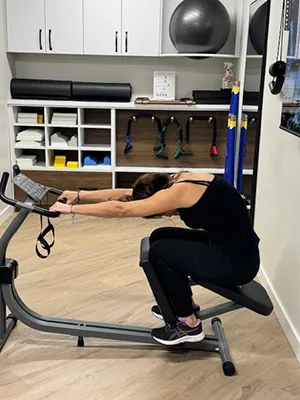
We complement in-office care with targeted rehabilitation exercises designed to stabilize your spine, strengthen your core, and protect the healing disc. These exercises are carefully selected to avoid aggravating the herniation while building the muscular support your spine needs. As your condition improves, your exercise program progresses to match your growing capabilities.
Who Should Seek Non-Surgical Disc Treatment?
If you have been diagnosed with a herniated disc — or suspect you have one based on symptoms like radiating pain, numbness, tingling, or weakness — conservative corrective care should be your first step before considering surgery. Studies show that the majority of herniated discs improve with non-surgical treatment, especially when that treatment addresses the structural factors involved.
Even if you have been told surgery is your only option, it is worth getting a second opinion from a structural correction specialist. Many patients we see have avoided surgery through our corrective approach.
Take the first step toward healing your herniated disc without surgery.
Call (425) 276-8044 or Request Appointment.
Ready to Get Started?
Contact us today and take the first step. Free consultations available.