Knee Pain
Corrective care for knee pain that addresses spinal alignment, pelvic balance, and biomechanical dysfunction.
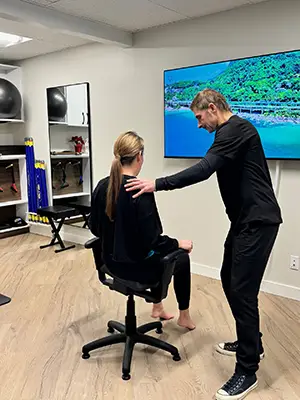
Knee pain affects millions of people and is one of the most common reasons for orthopedic visits. But what many patients and even some providers overlook is that the knee is often the victim, not the villain. Problems in the lumbar spine, pelvis, and hips frequently alter the mechanics of the knee in ways that lead to pain and degeneration. At Lakeside Spine and Wellness in Renton, we look at the whole picture to find the real source of your knee pain.
Why the Knee Is Vulnerable
The knee joint sits between two long lever arms — the femur above and the tibia below. It depends on proper alignment from the hip down through the ankle to distribute forces evenly. When the pelvis is tilted, the lumbar spine is misaligned, or the hip mechanics are altered, the knee absorbs forces it was never designed to handle. This can lead to abnormal wear on the cartilage, stress on the ligaments, irritation of the tendons, and chronic pain.
This is why so many knee pain patients go through rounds of physical therapy, injections, and even surgery without lasting relief. If the biomechanical cause higher up the chain is not addressed, the knee will continue to break down.
Common Causes of Knee Pain
Knee pain can stem from acute injuries like ligament tears, meniscus damage, and fractures. It can also develop gradually from osteoarthritis, patellofemoral syndrome, IT band syndrome, tendinitis, and bursitis. In many cases, these conditions are either caused or worsened by biomechanical dysfunction originating in the spine and pelvis.
For example, a pelvic tilt caused by lumbar misalignment can change the angle at which the femur meets the tibia, creating abnormal stress on the medial or lateral compartment of the knee. Over months and years, this uneven loading accelerates cartilage wear and produces chronic pain.
Our Testing-First Approach
At Lakeside Spine and Wellness, we evaluate more than just the knee. Your assessment includes a detailed health history, orthopedic testing of the knee joint, biomechanical analysis of your pelvis and hips, gait evaluation, postural assessment, and spinal imaging when indicated. We want to understand not just what is happening at the knee but why it is happening.
This comprehensive approach allows us to identify structural problems in the spine and pelvis that may be driving your knee pain — problems that would be missed by a knee-only evaluation.
Corrective Care Approach
Dr. Andrew Winger creates a corrective plan that addresses every level of the problem. If lumbar misalignment or pelvic imbalance is altering your knee mechanics, chiropractic adjustments restore proper alignment and reduce the abnormal forces on your knee. Chiropractic Biophysics protocols may be used when structural loss in the lumbar spine needs to be corrected for lasting biomechanical improvement.
Direct knee care — including extremity adjustments, soft tissue work, and mobilization — addresses local restrictions and inflammation when needed. The combination of spinal correction and local knee care provides a more complete solution than either approach alone.
Rehabilitation and Strengthening
We prescribe targeted exercises to strengthen the muscles that support your knee, including the quadriceps, hamstrings, and gluteal muscles. Core and hip stability exercises are included to maintain the spinal and pelvic corrections that are essential for proper knee mechanics. This rehabilitation program is progressive and evolves as your condition improves.
Who Should Seek Evaluation?
If you have chronic or recurring knee pain that has not responded to rest, medication, physical therapy, or injections, it is worth having your full biomechanical chain evaluated. This is especially important if your knee pain is accompanied by lower back pain, hip pain, or an uneven gait. Athletes, runners, workers who stand for long periods, and anyone with a history of spinal or pelvic problems should consider this comprehensive approach.
Stop treating just the symptom. Find the cause and fix it.
Call (425) 276-8044 or Request Appointment.
Ready to Get Started?
Contact us today and take the first step. Free consultations available.