Vertigo
Chiropractic evaluation and treatment for vertigo focusing on cervical spine alignment and upper cervical function.
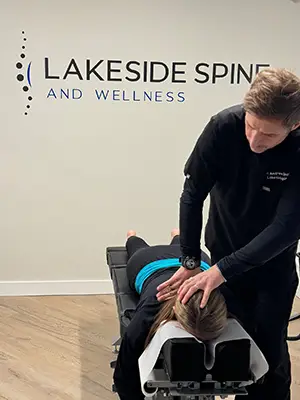
Vertigo can be one of the most disorienting and frightening symptoms a person experiences. The sudden sensation that the room is spinning, combined with nausea and a loss of balance, can leave you unable to work, drive, or even stand safely. At Lakeside Spine and Wellness in Renton, we investigate the cervical spine’s role in vertigo and use corrective care to address the structural factors that often contribute to this condition.
Understanding Vertigo
Vertigo is not a disease — it is a symptom. The sensation of spinning or movement can be triggered by problems in the inner ear, the brainstem, or the cervical spine. The inner ear contains the vestibular system, which is responsible for sensing head position and motion. The brainstem processes this information along with input from the eyes and the proprioceptive sensors in the neck. When any part of this system is disrupted, vertigo can result.
The most well-known type is benign paroxysmal positional vertigo (BPPV), which involves displaced crystals in the inner ear. However, cervicogenic vertigo — vertigo caused by problems in the cervical spine — is far more common than many patients realize.
Cervicogenic Vertigo
The upper cervical spine contains a dense concentration of proprioceptive sensors — specialized nerve receptors that tell your brain where your head is in space. When the upper cervical vertebrae are misaligned, these sensors send inaccurate information to the brainstem, creating a mismatch between what your eyes see, what your inner ear senses, and what your neck is reporting. This mismatch produces the sensation of vertigo.
Cervical misalignment can also affect blood flow through the vertebral arteries, which travel through the cervical vertebrae on their way to the brainstem. Reduced blood flow to the areas of the brain responsible for balance and spatial orientation can contribute to vertigo and dizziness.
Our Testing-First Approach
At Lakeside Spine and Wellness, we take a thorough approach to vertigo evaluation. Your assessment includes a detailed history of your vertigo episodes — when they started, how often they occur, what triggers them, and what other symptoms accompany them. We perform cervical spine examination to assess alignment and mobility, neurological testing to evaluate nerve function and balance pathways, specific positional tests to differentiate between different types of vertigo, and imaging when indicated to visualize the cervical spine structure.
This comprehensive evaluation helps us determine whether your vertigo has a cervical component and what structural factors may be involved.
Corrective Care for Vertigo
Dr. Andrew Winger uses precise upper cervical adjustments to restore proper alignment and improve the function of the proprioceptive sensors in the neck. These adjustments are gentle and specific, targeting the exact vertebrae that are contributing to the problem. As cervical alignment improves, the conflicting signals that produce vertigo are resolved.
For patients whose vertigo is related to broader cervical structural problems — such as loss of the cervical curve or chronic cervical instability — Chiropractic Biophysics (CBP) protocols provide a structured approach to restoring normal cervical mechanics over time. This addresses the root cause rather than providing temporary relief.
If BPPV is identified as a component of your vertigo, we perform canalith repositioning maneuvers to address the displaced inner ear crystals as part of your overall care plan.
Rehabilitation and Balance Training
We complement corrective adjustments with exercises designed to improve cervical stability, enhance proprioceptive function, and retrain your balance system. These exercises are particularly important for patients who have dealt with vertigo for an extended period, as the brain’s balance pathways may need retraining even after the structural cause is corrected.
Who Should Seek Evaluation?
If you experience recurring episodes of vertigo or dizziness — especially if they are associated with neck movement, neck pain, or a history of head and neck injury — your cervical spine should be evaluated. Many patients with chronic vertigo have seen multiple specialists without resolution because the cervical component was never assessed.
You do not have to live with the fear and disruption of recurring vertigo. Structural correction may be the answer.
Call (425) 276-8044 or Request Appointment.
Ready to Get Started?
Contact us today and take the first step. Free consultations available.