Scoliosis
Evidence-based scoliosis management using Chiropractic Biophysics to reduce curvature and improve spinal function.
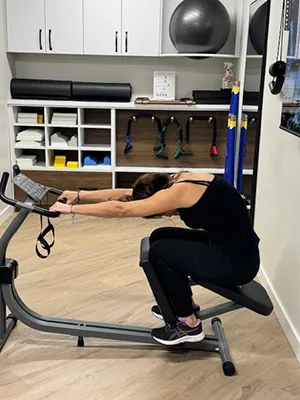
A scoliosis diagnosis can be concerning, whether it is discovered in a growing child or in an adult dealing with increasing pain and postural changes. The conventional approach — watch and wait until surgery is needed — leaves many patients feeling helpless. At Lakeside Spine and Wellness in Renton, we offer an active, evidence-based approach to scoliosis management using Chiropractic Biophysics (CBP), one of the most researched corrective techniques available.
Understanding Scoliosis
Scoliosis is defined as a lateral curvature of the spine measuring 10 degrees or more, as measured by the Cobb angle on X-ray. The spine may curve to the left, right, or in an S-shaped pattern involving multiple regions. The most common type is adolescent idiopathic scoliosis, which develops during the growth years without a known cause. Adult scoliosis can be a continuation of adolescent scoliosis or can develop later due to degenerative disc disease, osteoporosis, or spinal injuries.
Scoliosis is more than a cosmetic concern. The abnormal curvature changes the mechanics of the entire spine, places uneven stress on the discs and joints, alters muscle balance, and in severe cases can affect breathing and organ function. Even mild to moderate scoliosis can cause pain, fatigue, and postural imbalance.
The Problem With Watch and Wait
The traditional medical approach to scoliosis is to monitor the curvature with periodic X-rays and intervene with bracing if it progresses beyond a certain threshold, reserving surgery — spinal fusion — for curves that reach 40 to 50 degrees. This approach leaves patients in a reactive position, waiting for the problem to get worse before taking action.
At Lakeside Spine and Wellness, we believe in proactive management. Research in Chiropractic Biophysics has demonstrated that specific corrective techniques can reduce scoliotic curvatures and improve spinal function. We do not wait for the curve to worsen — we work to improve it.
Our Testing-First Approach
Every scoliosis case begins with comprehensive imaging and analysis. We take full-spine X-rays to measure your Cobb angle and identify the specific curvature pattern. We perform detailed postural analysis to assess how the scoliosis is affecting your overall body mechanics. Functional testing evaluates flexibility, muscle balance, and nerve function. This data provides the baseline from which we develop your corrective plan and against which we measure progress.
Corrective Care With Chiropractic Biophysics
Dr. Andrew Winger uses CBP protocols specifically designed for scoliosis management. Your corrective plan may include targeted chiropractic adjustments to improve vertebral mobility and reduce segmental restrictions within the curve, mirror-image exercises that work against the scoliotic pattern to strengthen the muscles on the convex side and stretch those on the concave side, and spinal traction and postural correction devices that apply sustained corrective forces to the spine.
CBP has published more peer-reviewed research on spinal correction than any other chiropractic technique. This evidence base gives us confidence in the approach and allows us to set realistic expectations for improvement based on the type and severity of your scoliosis.
Progress Tracking
We take follow-up imaging at defined intervals to objectively measure changes in your Cobb angle and overall spinal alignment. This is not a subjective assessment — it is verifiable structural change documented on X-ray. You and your family can see the progress for yourselves.
Who Should Seek Scoliosis Care?
Children and adolescents who have been diagnosed with scoliosis or who show signs of uneven shoulders, a prominent rib hump, or asymmetric waistline should be evaluated as early as possible. Early intervention during growth years offers the best opportunity for correction. Adults with scoliosis who experience pain, postural imbalance, or progressive curvature can also benefit from corrective care, though the goals and timelines may differ.
Whether you are managing a new diagnosis or seeking a better approach to a condition you have lived with for years, structural correction can make a real difference.
Call (425) 276-8044 or Request Appointment.
Ready to Get Started?
Contact us today and take the first step. Free consultations available.