Pinched Nerve
Relieve pinched nerve pain by correcting the spinal misalignment or disc problem causing nerve compression.
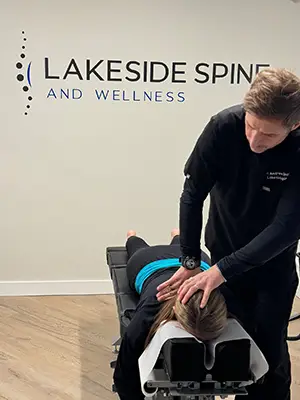
A pinched nerve can produce symptoms that range from mildly annoying to severely debilitating. The sharp pain, burning sensations, numbness, or weakness can disrupt your work, sleep, and daily activities. At Lakeside Spine and Wellness in Renton, we find the source of nerve compression and work to correct the structural problem causing it.
How Nerves Get Pinched
Your nervous system is a vast network of nerves that branch from your brain and spinal cord to every part of your body. As these nerves exit the spine through small openings called foramina, they are vulnerable to compression. The most common causes of pinched nerves in the spine include herniated or bulging discs that press against a nerve root, bone spurs that narrow the foraminal opening, vertebral misalignment that changes the size and shape of the nerve pathway, spinal stenosis that narrows the spinal canal, and muscle spasm or inflammation that adds pressure in the area.
A pinched nerve in the cervical spine can produce symptoms in the neck, shoulder, arm, or hand. A pinched nerve in the lumbar spine can cause pain, numbness, or weakness in the hip, leg, or foot. The symptoms depend on which nerve is affected and how severely it is compressed.
Why Quick Fixes Fall Short
Pain medication and anti-inflammatory drugs can temporarily reduce the symptoms of a pinched nerve, but they do nothing to relieve the compression itself. Cortisone injections may reduce inflammation around the nerve for a period, but the structural cause remains. Without addressing why the nerve is being pinched, the symptoms almost always return.
Surgery is sometimes recommended for severe or persistent nerve compression, but it should be considered a last resort. Many cases of pinched nerves respond well to conservative corrective care — especially when the care targets the structural cause rather than just the symptoms.
Our Testing-First Approach
At Lakeside Spine and Wellness, we start every pinched nerve case with thorough diagnostic testing. This includes a detailed health history, neurological examination to identify the affected nerve and map its distribution, orthopedic tests to reproduce and localize your symptoms, postural analysis, and digital imaging when indicated. We need to know which nerve is compressed, at what spinal level, and what is causing the compression.
This precision matters. A pinched nerve caused by a herniated disc requires a different approach than one caused by a bone spur or vertebral misalignment. Accurate diagnosis drives effective treatment.
Corrective Care for Pinched Nerves
Dr. Andrew Winger uses a combination of evidence-based techniques to relieve nerve compression and correct the underlying structural problem. Chiropractic adjustments restore proper vertebral alignment and joint mechanics, which can immediately improve the space available for the nerve. Spinal decompression therapy creates negative intradiscal pressure that helps retract disc material away from the nerve and promotes disc healing.
For patients whose nerve compression is related to broader structural problems — such as loss of the normal cervical or lumbar curve — Chiropractic Biophysics (CBP) protocols are used to restore proper spinal curves over time. This addresses the root cause of the compression and reduces the likelihood of recurrence.
Supporting Nerve Recovery
We prescribe targeted rehabilitation exercises to stabilize the spine, improve posture, and support nerve healing. Nerve tissue recovers more slowly than most other tissues in the body, so consistency with your care plan and exercises is important. We track your progress through periodic neurological re-testing and imaging to ensure the nerve is recovering and the structural improvement is holding.
When to Seek Care
You should seek evaluation for a possible pinched nerve if you experience sharp or burning pain that radiates from your neck or back into an extremity, persistent numbness or tingling in your arm, hand, leg, or foot, muscle weakness that affects your grip or ability to walk, or symptoms that worsen with certain positions or activities. Early intervention typically leads to faster recovery and better long-term outcomes.
Get answers about your nerve pain and start on the path to real correction.
Call (425) 276-8044 or Request Appointment.
Ready to Get Started?
Contact us today and take the first step. Free consultations available.